

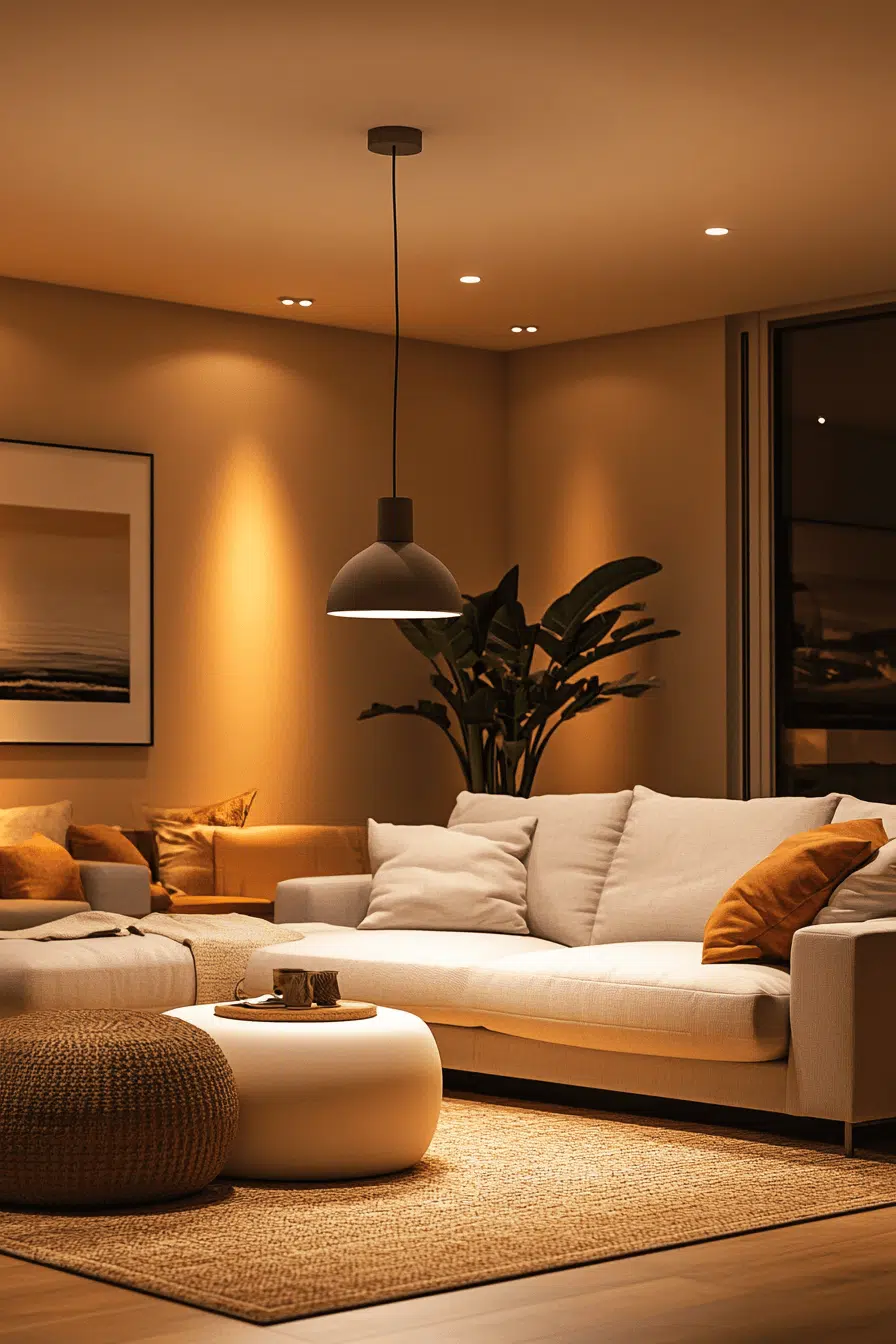
Let’s be honest—home should feel like a sanctuary. But for many neurodivergent adults, it can sometimes feel like a battlefield. Overhead lights that hum, scratchy couch fabrics, the neighbor’s dog barking… it all adds up. Sensory overload isn’t just uncomfortable; it’s exhausting. So, how do you build a space that actually works for your brain? Well, it’s less about perfect design and more about intentional choices. Let’s walk through it together.
Why Your Environment Matters More Than You Think
Here’s the deal: our brains are constantly processing sensory input—light, sound, texture, smell, even the temperature of a room. For neurodivergent folks (think ADHD, autism, sensory processing disorder), that filter can be a bit… leaky. Small stimuli that others brush off can feel like a jackhammer. So, creating a sensory-friendly home isn’t a luxury—it’s a form of self-care. It’s about reducing the cognitive load before you even sit down.
I’ve seen people transform their living spaces with just a few tweaks. And honestly, it’s not about spending a fortune. It’s about knowing your triggers. You know yourself best—trust that.
Start With the Five Senses (Yes, All of Them)
We’ll break it down by sense, but remember—these overlap. A flickering light might bother your eyes, but it could also trigger anxiety. A strong smell might make you nauseous, or it might ground you. The goal is to curate, not eliminate. Let’s dive in.
Lighting: The Silent Scream of Fluorescent Tubes
Overhead lighting is often the first culprit. That harsh, buzzing glare from a ceiling fixture? It can trigger migraines, eye strain, and even irritability. For many neurodivergent adults, it’s a dealbreaker.
So, what works? Layered lighting. Think floor lamps, table lamps, and dimmable bulbs. Warm-toned LEDs (2700K–3000K) mimic natural light without the harshness. And here’s a trick: use smart bulbs that change color and brightness. You can set them to a soft amber in the evening—it’s like a visual hug.
- Dimmers are non-negotiable. They let you control intensity.
- Salt lamps or fairy lights provide gentle, diffused glow.
- Blackout curtains for bedrooms—total darkness when you need it.
- Avoid flickering bulbs (check for compatibility with dimmers).
One more thing: natural light is great, but not if it’s blinding. Sheer curtains or blinds can soften it. Your eyes will thank you.
Sound: Taming the Chaos (or Embracing It)
Sound sensitivity is huge. For some, silence is golden. For others, it’s deafening—literally. I’ve met people who need white noise to sleep, and others who can’t stand the hum of a refrigerator. There’s no one-size-fits-all.
Here’s the thing: you can design for sound without soundproofing the whole house. Start with acoustic panels or heavy rugs—they absorb echo. A bookshelf against a shared wall can dampen noise from next door. And if you’re renting, thick curtains do wonders.
For those who need controlled sound, try a white noise machine or a fan. Some people prefer nature sounds (rain, ocean waves). Others need total quiet. That’s okay—just give yourself permission to choose.
| Sensory Need | Solution |
|---|---|
| Too much noise | Noise-canceling headphones, acoustic foam |
| Understimulated | Soft background music, a ticking clock |
| Echoey room | Area rugs, upholstered furniture |
| Sudden sounds | Weatherstripping on doors, felt pads on drawers |
Honestly, a simple fan can be a game-changer. It’s like a gentle sound blanket.
Touch and Texture: The Feel of Your Space
You know that feeling when you touch microfiber and it makes your skin crawl? Or when a wool blanket feels like sandpaper? Yeah, texture matters—a lot. For neurodivergent adults, tactile sensitivity can make or break a room.
Start with soft, natural fabrics. Cotton, bamboo, linen, or velvet. Avoid synthetics that feel sticky or static-y. Throw blankets and pillows are easy swaps—they’re like little islands of comfort.
But don’t stop there. Think about flooring. Hardwood or tile can feel cold and harsh. Add a plush rug or carpet tiles. Even a sheepskin throw under your desk can make a difference. And for seating? A cozy armchair with a soft armrest beats a stiff dining chair every time.
Oh, and labels? Remove them. That scratchy tag inside your shirt? Same idea for furniture—peel off those stickers. It’s a small thing, but it adds up.
Weighted Blankets: Not Just a Trend
Weighted blankets are popular for a reason—they provide deep pressure stimulation, which can calm the nervous system. If you’re prone to anxiety or restlessness, try one. Just make sure it’s not too heavy (aim for 10% of your body weight). And if you hate the feeling of being pinned down? Skip it. No judgment.
Smell: The Invisible Anchor
Scent is powerful—it can trigger memories, calm you down, or make you want to run. For neurodivergent adults, strong artificial fragrances (think air fresheners, scented candles) can be overwhelming. But a gentle scent can be grounding.
Here’s my advice: go natural. Essential oil diffusers with lavender, chamomile, or peppermint. Or skip scent altogether—fresh air is underrated. Open a window for five minutes. It clears the air and your head.
- Use unscented cleaning products (many are harsh).
- Baking soda absorbs odors without perfume.
- Avoid plug-in air fresheners—they’re often too strong.
- If you love candles, try beeswax or soy—they burn clean.
One person’s calming lavender is another person’s headache trigger. Trust your nose. If it bothers you, change it.
Visual Clutter: The Hidden Drain
Visual noise is real. A cluttered countertop, a pile of mail, a wall covered in patterns—it can all feel like mental static. For neurodivergent adults, it’s not about being messy; it’s about being overwhelmed by too much input.
Try zoning. Designate a “drop zone” for keys, bags, and mail—a tray or a hook. Keep surfaces mostly clear. Use closed storage (bins, cabinets) instead of open shelves. And limit patterns on walls or bedding. A neutral base with one or two accent pieces is easier on the eyes.
That said, don’t go minimalist if it feels sterile. Some people need visual interest—a few plants, art, or colorful pillows. The key is intentionality. If it doesn’t serve you, it’s clutter.
Temperature and Airflow: The Forgotten Senses
Temperature sensitivity is common. Too hot, and you feel sluggish. Too cold, and you can’t focus. Your home should be a thermostat you control—literally and figuratively.
Layers help. A ceiling fan, a space heater, a portable fan—give yourself options. And don’t underestimate air quality. An air purifier can reduce dust and allergens, which can cause sensory irritation (sneezing, itchy skin). Even a simple humidifier can make a dry room feel more comfortable.
I have a friend who keeps a small fan on her desk year-round—it’s her “focus breeze.” Whatever works, right?
Putting It All Together: A Room-by-Room Glance
You don’t have to do everything at once. Start with one room—maybe your bedroom or home office. Here’s a quick cheat sheet:
| Room | Key Focus |
|---|---|
| Bedroom | Blackout curtains, soft bedding, white noise machine |
| Living room | Dimmable lights, cozy textures, sound-dampening rugs |
| Home office | Task lighting, ergonomic chair, minimal visual clutter |
| Bathroom | Unscented soaps, soft towels, non-slip mat |
| Kitchen | Quiet appliances (if possible), organized drawers, natural light |
Notice I didn’t mention a “perfect” setup. Because there isn’t one. Your sensory needs might change day to day—and that’s okay.
The Bottom Line: It’s About You, Not the Decor
Look, I’m not here to sell you a specific brand or aesthetic. A sensory-friendly home isn’t about Instagram-worthy rooms. It’s about function over form—though you can have both. It’s about reducing the friction between you and your daily life.
Maybe that means painting your walls a muted blue because it calms you. Or maybe it means keeping a stack of noise-canceling headphones by the door. Maybe it’s as simple as turning off the overhead light and using a lamp. These small shifts add up.
Your home should feel like a place where your brain can exhale. Not a museum, not

